
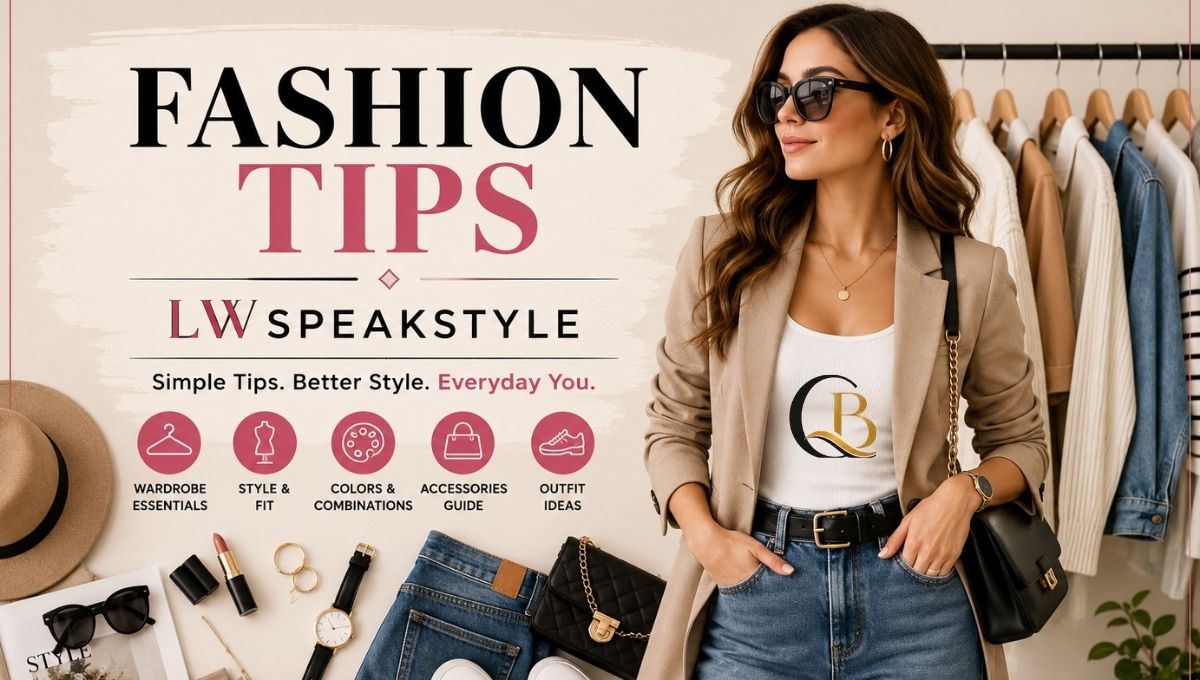

Fashion advice is everywhere, but much of it feels like it was written for someone else’s wardrobe, lifestyle, body, or budget. The most useful fashion tips should do something different: help you understand what works for you. That’s where the idea behind fashion tips lwspeakstyle becomes useful. Instead of treating fashion as a list of strict rules, think of it as a practical way to build outfits that fit your personality, daily routine, comfort level, and budget.
You don’t need a completely new wardrobe to improve your style. In many cases, a better understanding of what you already own can make getting dressed easier and more enjoyable. This guide covers practical ways to build a more versatile wardrobe, choose better-fitting clothes, combine colors, use accessories, handle seasonal changes, and develop a personal style that doesn’t depend on every new trend.
Why Fashion Tips Should Be Personal
Search for “fashion tips” and you’ll find plenty of familiar advice: wear neutral colors, invest in quality basics, accessorize, and follow current trends. None of those suggestions are necessarily wrong. The problem is that fashion doesn’t work exactly the same way for everyone.
Your ideal wardrobe depends on several factors, including:
- Your everyday activities
- The climate where you live
- Your preferred level of comfort
- Your budget
- The colors and silhouettes you enjoy
- Your workplace or social environment
- How often you want to shop
A good fashion tip should make your life easier rather than give you another rule to remember. Instead of asking, “What is fashionable right now?”, start by asking, “What looks and feels right for me?”
Start With an Honest Closet Audit
Before buying anything new, take some time to look carefully at what you already own. Separate your clothes into three simple groups:
1. Clothes You Wear Regularly
These are your reliable pieces. Pay attention to what they have in common. Maybe you repeatedly choose certain colors, fabrics, fits, or styles. Those patterns can reveal more about your personal style than a trend report.
2. Clothes You Rarely Wear
Ask yourself why these pieces stay in your closet. Are they uncomfortable? Do they fit poorly? Are they difficult to combine with other clothes? Are they only suitable for a particular season or occasion? Understanding the reason can prevent you from making the same purchasing mistake again.
3. Clothes You Never Wear
Be honest here. If something has been sitting untouched for months or years, ask whether you genuinely like it or simply feel guilty about getting rid of it. The goal isn’t to throw away everything you don’t wear. It’s to understand your wardrobe better.
Build Around a Core Color Palette
One of the easiest ways to make a wardrobe more versatile is to choose colors that work well together. You don’t have to wear neutrals all the time. Instead, create a simple foundation using a few dependable shades and add accent colors that you genuinely enjoy. For example, your wardrobe might include:
- Black
- White
- Navy
- Beige
- Brown
- Denim
- One or two brighter accent colors
A coordinated palette makes it easier to combine different pieces without creating an entirely new outfit every time.
Try This Simple Exercise
Choose five items in your closet that you regularly wear together. Look at their colors. You may notice that you naturally prefer certain combinations. Use those combinations as inspiration for future purchases. This doesn’t mean you have to restrict yourself to a small number of colors. It simply gives your wardrobe a reliable foundation.
Fit Often Matters More Than Price
A stylish outfit doesn’t have to be expensive. A reasonably priced shirt that fits your shoulders, body, and sleeves properly can look far better than an expensive shirt that doesn’t fit correctly. Before buying clothing, check:
- Shoulders: Seams should generally sit close to your natural shoulder edge.
- Sleeves: Check whether the length works for the type of garment.
- Trousers: They should sit comfortably without excessive pulling or bunching.
- Waist: You should be able to move comfortably without constantly adjusting the waistband.
- Overall shape: The garment should create the silhouette you actually want.
Remember that “good fit” doesn’t always mean tight or tailored. Oversized clothing can look intentional when the proportions are balanced. If a garment requires extensive alterations to become wearable, consider whether the extra cost is worthwhile.
Dress for the Life You Actually Live
One of the easiest wardrobe mistakes is buying clothes for an imaginary lifestyle. If most of your week is casual, you probably don’t need a closet full of formal outfits. If your work requires professional clothing, comfortable but polished pieces may be more useful than a collection of weekend-only clothes. Take a typical week and think about where you actually spend your time.
For Work
Consider comfortable, appropriate pieces that can be combined in several ways.
For Casual Days
Focus on versatile items such as jeans, trousers, simple tops, casual shirts, sneakers, or lightweight layers.
For Social Events
Keep a small selection of outfits that can be dressed up or down with different shoes and accessories.
For Outdoor or Active Days
Choose practical fabrics, comfortable footwear, and layers that suit the weather. Your wardrobe should support your real schedule—not an idealized version of it.
Make Basic Clothes More Interesting
You don’t need complicated outfits to look stylish. In fact, some of the easiest outfits to wear are built around simple pieces. Consider a combination such as:
White shirt + straight-leg jeans + clean sneakers
On its own, it is simple. Add a belt, watch, structured bag, jacket, scarf, or jewelry, and the overall impression can change significantly. The lesson is simple: styling matters as much as the individual clothing item. Before buying another statement piece, experiment with different combinations of the basics you already own.
Use Accessories Strategically
Accessories can change the character of an outfit without requiring a complete wardrobe change. Useful options include:
- Belts
- Watches
- Jewelry
- Sunglasses
- Scarves
- Handbags
- Hats
- Shoes
You don’t need to use several accessories at once. For a simple outfit, one noticeable accessory can create a focal point. For an already detailed outfit, understated accessories may create better balance. Think about accessories as finishing touches rather than requirements.
Learn to Balance Proportions
Proportion is one of the most useful concepts in everyday styling. If you choose a loose, oversized top, you might prefer a straighter or more streamlined bottom. If you’re wearing wide-leg trousers, a shorter or more fitted top can create a different silhouette. But these aren’t strict rules. Fashion should leave room for experimentation. The important thing is to look at the complete outfit rather than judging each item separately. Ask yourself:
Does the overall silhouette feel balanced?
If something feels off, try changing only one element—such as the top length, shoe style, or outer layer—before changing the entire outfit.
Don’t Chase Every Fashion Trend
Trends can be enjoyable, but following every trend can quickly make a wardrobe expensive and inconsistent. Before buying a trend-driven piece, ask yourself: Would I still wear this if it stopped appearing on social media next month?
If the answer is yes, it may genuinely suit your personal style. If you’re unsure, wait before buying it. A good wardrobe doesn’t need to look brand-new every season. It needs to contain pieces you enjoy wearing and can combine in different ways.
Use Seasonal Layers Instead of Rebuilding Your Wardrobe
Changing seasons doesn’t mean you need to replace your entire closet. Layering can make existing clothes useful in different weather conditions.
For example:
- Add a cardigan over a simple top.
- Wear a jacket over a shirt or lightweight sweater.
- Replace sandals with boots or closed shoes.
- Use scarves or lightweight outerwear during transitional weather.
- Choose heavier fabrics when temperatures drop.
You can also change the visual feeling of an outfit through texture. Lightweight cotton and linen can feel natural in warmer weather, while heavier knits, wool blends, and structured layers can work well in colder conditions. The exact choices will depend on your climate and personal comfort.
Build a Few Reliable Outfit Formulas
Getting dressed becomes much easier when you have a few combinations you already know work. For example:
Everyday Casual
Jeans + basic top + sneakers + simple accessory
Smart Casual
Trousers + button-down shirt + loafers or clean sneakers
Relaxed Weekend
Wide-leg trousers + comfortable top + lightweight jacket
Simple Evening Outfit
Dark trousers or jeans + polished top + structured outer layer + understated accessories These aren’t rules. They’re starting points. Once you know which combinations suit you, you can change individual pieces without having to create an outfit from scratch.
Shop With a Purpose
Before buying something, think beyond whether you like it on the hanger.
Ask yourself:
- Does it fit comfortably?
- Can I wear it with at least three things I already own?
- Does it suit my lifestyle?
- Will I realistically wear it?
- Is the price reasonable for how often I’ll use it?
- Does it add something different to my wardrobe?
If the answer to most of these questions is yes, the purchase is more likely to be useful. This approach can also help reduce impulse shopping.
Take Care of the Clothes You Own
Fashion isn’t only about buying new pieces. Taking care of your existing wardrobe can make a noticeable difference. Follow care instructions, wash delicate fabrics appropriately, store garments properly, and deal with small repairs before they become bigger problems. Clean shoes, wrinkle-free clothing, and well-maintained fabrics can make even simple outfits look more polished. Good wardrobe care can also help you get more use from the pieces you already own.
Find Your Personal Style Through Experimentation
Personal style usually develops gradually. You might enjoy minimalist outfits one week and discover that you also love vintage accessories or streetwear-inspired pieces. You don’t have to choose a single label. Instead, look for recurring patterns in the clothes you naturally gravitate toward.
Do you repeatedly choose:
- Neutral colors?
- Relaxed silhouettes?
- Tailored clothing?
- Denim?
- Vintage details?
- Sporty footwear?
- Feminine or romantic elements?
- Simple, understated accessories?
These patterns can help you identify the elements that make an outfit feel like you. The more you experiment, the easier it becomes to recognize what works.
Comfort Is Part of Good Style
An outfit can look great on paper and still be wrong for you if you feel uncomfortable wearing it. If you’re constantly adjusting your clothing, struggling with uncomfortable shoes, or worrying about whether something fits correctly, it can affect how confidently you carry yourself. Choose clothing that allows you to move naturally. Comfort doesn’t mean sacrificing style. It means finding the point where appearance and practicality work together.
Common Fashion Mistakes to Avoid
Improving your style isn’t only about learning what to do. It’s also about recognizing habits that don’t help.
Buying Something Just Because It’s Trending
Popularity doesn’t guarantee that something will work with your wardrobe.
Ignoring Fit
Even expensive clothing can look unpolished when the proportions are wrong.
Buying Too Many Similar Items
If your wardrobe already contains several nearly identical pieces, another one may not add much value.
Trying to Wear Everything at Once
Multiple bold colors, patterns, accessories, and statement pieces can compete for attention.
Dressing Without Considering the Occasion
An outfit can be attractive but still inappropriate for a particular event or environment.
Buying for a Fantasy Lifestyle
Clothes that don’t match your real routine may spend more time in the closet than on your body.
Treating Fashion Rules as Absolute
Style advice is guidance, not law. What works for one person may not work for another.
Quick Fashion Tips Lwspeakstyle Checklist
Before leaving the house, take a quick look at your outfit and ask:
- Fit: Does everything sit comfortably?
- Color: Do the colors work together?
- Proportion: Does the overall silhouette feel balanced?
- Occasion: Is the outfit appropriate for where you’re going?
- Comfort: Can you move naturally?
- Details: Are your shoes, accessories, and clothing well maintained?
- Personality: Does the outfit feel like something you would actually wear?
You don’t need every answer to be perfect. The checklist is simply a quick way to become more intentional about what you wear.
Frequently Asked Questions
What are the most useful fashion tips for beginners?
Start with fit, versatile clothing, coordinated colors, and outfits that match your lifestyle. You don’t need a large wardrobe to look stylish.
How can I find my personal style?
Pay attention to the clothes you repeatedly choose and the outfits you enjoy wearing. Experiment with different colors, silhouettes, and accessories, then look for patterns in your preferences.
Should I follow fashion trends?
You can, but you don’t have to follow every trend. Choose trends that genuinely fit your personality and can work with clothing you already own.
How can I improve my style without spending much money?
Start by reorganizing your existing wardrobe, creating new outfit combinations, improving fit through simple alterations, and using accessories to change the appearance of familiar outfits.
Does expensive clothing automatically look better?
No. Price alone doesn’t determine whether an outfit looks good. Fit, proportion, coordination, condition, and how confidently you wear the clothing all matter.
How many clothes do I need to have a stylish wardrobe?
There is no universal number. The right wardrobe size depends on your lifestyle, climate, laundry routine, budget, and personal preferences. A smaller wardrobe can work extremely well when the pieces are versatile.
Final Thoughts
The best fashion tips lwspeakstyle approach isn’t about creating a perfect wardrobe or following a strict set of fashion rules. It’s about making thoughtful choices that work in your actual life. Start by understanding what you already own. Pay attention to fit, create a practical color palette, experiment with proportions, and use accessories to give familiar outfits a different feel.
Most importantly, don’t let trends decide what your style should be. Your wardrobe should make getting dressed easier—not more stressful. When your clothes fit comfortably, suit your lifestyle, and reflect your personality, you don’t need to constantly search for the next fashion rule.