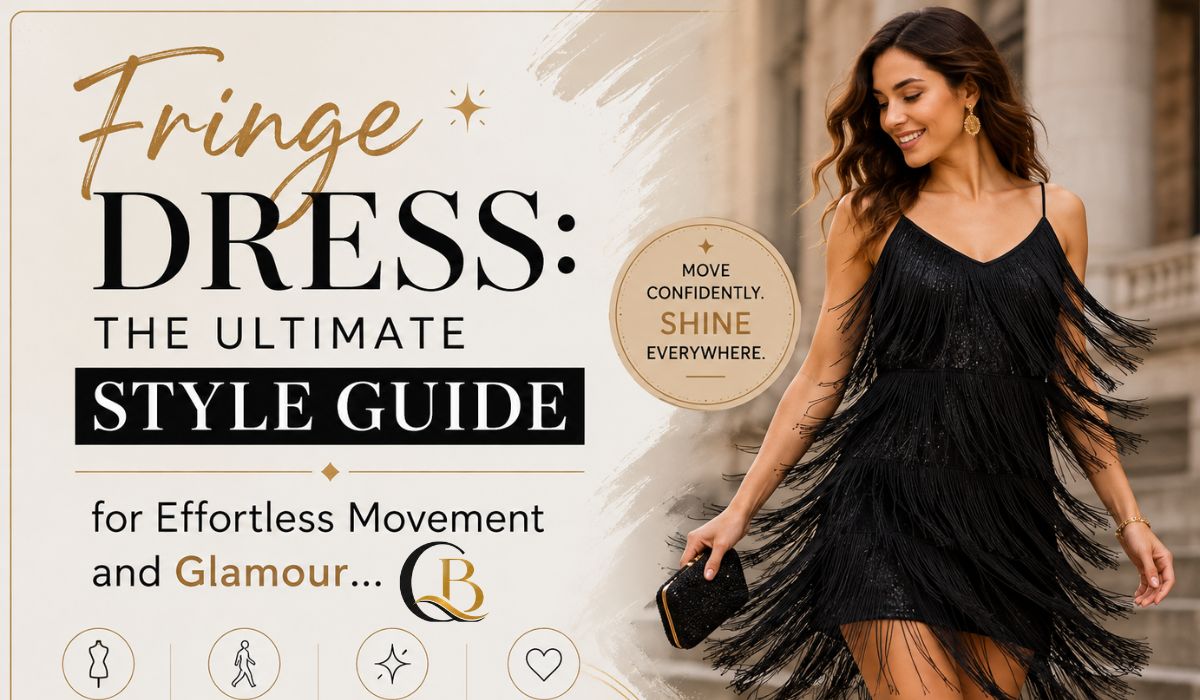

There’s something undeniably captivating about a dress that moves the moment you do. That’s the magic of a fringe dress — a garment that turns every step, twirl, or dance move into a visual performance. Whether it’s swaying gently with the breeze or catching the light on a dance floor, fringe adds motion, texture, and personality that few other design elements can match.
In this guide, we’ll walk through everything you need to know about the fringe dress: its origins, why it’s still a wardrobe favorite decades after its rise to fame, how to choose the right one for your body type and occasion, and styling tips that will help you wear it with confidence.
What Is a Fringe Dress?
A fringe dress is exactly what it sounds like — a dress adorned with hanging strands of fabric, beads, tassels, or thread along the hem, sleeves, or entire silhouette. The fringe can be made from various materials, including suede, leather, chiffon, sequins, or beaded strings, each giving the dress a distinct look and feel.
What makes a fringe dress stand out isn’t just its appearance when standing still — it’s the way it transforms with motion. A simple walk becomes elegant, and a dance move becomes a showstopper. This kinetic quality is what has kept fringe dresses relevant across multiple fashion eras.
A Brief History of the Fringe Dress
The fringe dress traces its roots back to the 1920s flapper era, when beaded and tasseled dresses became a symbol of liberation, rebellion, and the vibrant energy of jazz-age nightlife. Women wore fringe dresses to dance the Charleston, and the swinging fringe became part of the performance itself.
Fringe made a strong comeback in the 1960s and 70s with the rise of bohemian fashion, often crafted from suede and leather, embracing an earthy, free-spirited aesthetic. Since then, designers have continuously reimagined the fringe dress — pairing it with modern cuts, metallic finishes, and minimalist silhouettes to keep it fresh for contemporary wardrobes.
Today, the fringe dress sits at the intersection of vintage glamour and modern fashion, making it a versatile piece that can be dressed up for a gala or down for a summer festival.
Types of Fringe Dresses
Not all fringe dresses are created equal. Here are some popular styles to know:
1. Beaded Fringe Dress
Often associated with flapper-style fashion, these dresses feature intricate beadwork combined with hanging fringe, perfect for formal events, weddings, or New Year’s Eve parties.
2. Suede or Leather Fringe Dress
A staple of boho and western-inspired fashion, this style is casual yet striking, ideal for festivals, outdoor events, or laid-back gatherings.
3. Sequin Fringe Dress
Combining sparkle with movement, sequin fringe dresses are a go-to choice for parties, cocktail events, and celebratory nights out.
4. Chiffon or Fabric Fringe Dress
Lightweight and flowy, these dresses use soft fringe detailing for a romantic, feminine look — great for summer occasions or beach parties.
5. Mini Fringe Dress
A shorter hemline paired with fringe detailing creates a flirty, youthful vibe, popular for parties, concerts, and nightlife.
How to Choose the Right Fringe Dress for Your Body Type
Fringe dresses can flatter every body type when chosen thoughtfully:
- Pear-shaped bodies: Look for fringe dresses with detailing concentrated around the shoulders or bust to balance proportions.
- Hourglass figures: Fitted fringe dresses that cinch at the waist will highlight your natural curves.
- Apple-shaped bodies: A-line fringe dresses with movement below the waist help create a flattering silhouette.
- Petite frames: Shorter fringe dresses or those with vertical fringe lines can create the illusion of added height.
- Tall frames: Longer fringe dresses with horizontal fringe layers add dimension and balance.
Styling Tips: How to Wear a Fringe Dress
A fringe dress is often a statement piece on its own, so styling it well means letting it shine without overwhelming the overall look.
- Keep accessories minimal. Since the fringe already adds texture and movement, opt for simple jewelry — small studs or a delicate bracelet work well.
- Choose the right shoes. Strappy heels complement elegant fringe dresses, while ankle boots pair beautifully with boho suede styles.
- Balance with solid outerwear. A tailored blazer or a plain jacket can tone down a heavily embellished fringe dress for daytime wear.
- Mind your undergarments. Seamless, well-fitted undergarments help fringe dresses hang and move correctly.
- Consider the occasion. Beaded and sequin fringe dresses suit evening events, while suede and chiffon fringe dresses work better for casual or daytime settings.
Best Occasions for a Fringe Dress
- Parties and celebrations — the movement of fringe naturally draws attention on the dance floor.
- Festivals and concerts — boho-inspired fringe dresses are a favorite for outdoor music events.
- Weddings and formal events — beaded or sequin fringe dresses add glamour without being overly formal.
- Date nights — a fitted fringe mini dress strikes the right balance between playful and polished.
How to Care for Your Fringe Dress
Proper care ensures the fringe stays intact and the dress lasts longer:
- Always check the care label before washing.
- Hand wash or dry clean delicate fringe fabrics like chiffon or beaded designs.
- Store fringe dresses on padded hangers to prevent tangling or fabric distortion.
- Avoid brushing fringe against rough surfaces to prevent fraying.
- Gently steam rather than iron directly over fringe detailing.
Frequently Asked Questions About Fringe Dresses
Is a fringe dress still in style?
Yes. Fringe has remained a recurring trend across decades, regularly reappearing on runways and in everyday fashion, especially during festival season and party-wear collections.
Can a fringe dress be worn to a wedding?
Absolutely, especially beaded or sequin fringe dresses in elegant colors. Just be mindful of dress codes and avoid overly casual suede fringe styles for formal weddings.
What shoes go best with a fringe dress?
Heeled sandals or pumps pair well with elegant fringe dresses, while boots or wedges complement boho-style suede fringe dresses.
How do I keep a fringe dress from looking too costume-like?
Balance is key. Pair the dress with understated accessories, neutral-toned shoes, and simple hairstyles to keep the look sophisticated rather than theatrical.
Final Thoughts
A fringe dress is more than just an outfit — it’s a statement of movement, confidence, and timeless style. Whether you’re drawn to the vintage elegance of beaded flapper-inspired designs or the free-spirited charm of suede fringe, there’s a version of this iconic piece for every taste and occasion.
By understanding the different styles, choosing pieces that complement your body type, and styling them thoughtfully, you can make the fringe dress a versatile and standout addition to your wardrobe for years to come.