
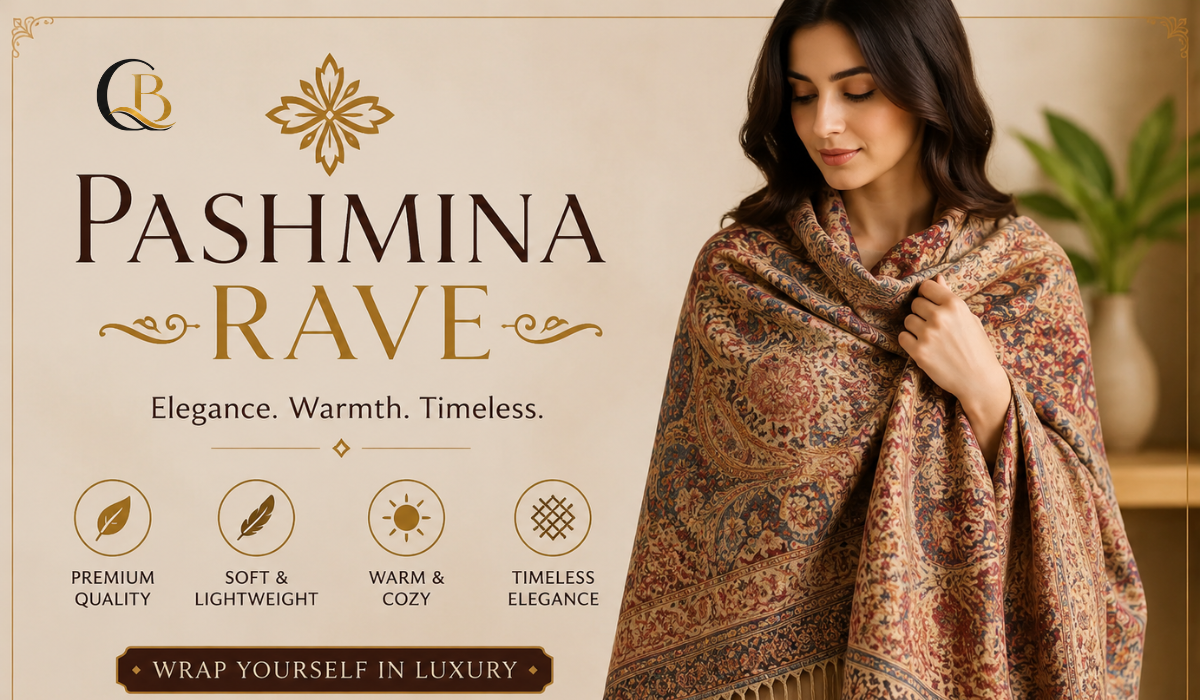

If you’ve noticed the phrase “pashmina rave” popping up on social media, in fashion blogs, or even among your friends planning their next festival outfit, you’re not imagining things. There genuinely is a pashmina rave happening right now a full-blown resurgence of interest in one of the oldest, most luxurious textiles in the world. And interestingly, the phrase works on two levels: people are raving about pashminas as a comeback accessory, and pashminas themselves are showing up at actual raves and music festivals as a surprisingly practical style statement.
This article breaks down both sides of that trend, plus everything you need to know if you want to jump in — from what makes a pashmina genuine, to how to style one for a festival night, to how to care for it so it lasts for years.
What Exactly Is a Pashmina?
Before diving into the trend, it helps to get the basics right, because the word “pashmina” gets misused constantly in fast fashion marketing.
A true pashmina is a fine wool shawl made from the undercoat fibers of the Changthangi goat, which lives in the high-altitude regions of Ladakh, in the Himalayas. The word itself comes from the Persian “pashm,” meaning wool. What makes pashmina fiber special is its diameter — typically under 16 microns, finer than a human hair — which is what gives authentic pashmina its signature softness and warmth-to-weight ratio.
A lot of what’s sold online as “pashmina” today is actually a blend of viscose, silk, or synthetic fibers dyed and woven to imitate the look. That’s not necessarily a bad thing (blended shawls are often more affordable and easier to care for), but it’s worth knowing the difference before you buy, especially if authenticity matters to you.
Why Is “Pashmina Rave” Trending Right Now?
A few forces are converging to bring pashmina back into the spotlight:
1. The maximalist accessory shift.
Fashion has been moving away from minimalist, logo-free basics toward layered, textured, statement-driven looks. A pashmina — with its fringe, drape, and rich color options — fits perfectly into that shift.
2. Festival and rave culture embracing texture over labels.
Rave and festival fashion has always prized individuality: think fringe, fur, sequins, and unexpected fabric pairings. A pashmina thrown over a crop top or bodysuit adds movement and warmth without looking like a “cover-up” — it becomes part of the outfit rather than an afterthought.
3. Cold-weather rave season.
As more electronic music festivals and raves happen in cooler months or at night in desert and mountain venues, people need something warm that doesn’t kill the aesthetic. A pashmina solves that problem better than a hoodie or jacket, because it can be worn tied, draped, knotted, or wrapped in dozens of ways.
4. Sustainability and slow fashion interest.
Pashmina is handspun and handwoven in many traditional workshops, which appeals to shoppers looking for pieces with craftsmanship behind them rather than mass-produced synthetic accessories.
Put together, it’s easy to see why “pashmina rave” has become a genuine search trend rather than a fluke phrase.
How to Style a Pashmina at a Rave or Festival
If you’re planning to wear one to an actual rave, music festival, or all-night event, here are practical ways to make it work:
- Wrap it loosely over one shoulder for movement — this looks great with strobe or UV lighting since the fringe catches motion.
- Tie it around the waist over shorts or a bodysuit as a boho-style skirt accent.
- Use it as a light layer for temperature swings. Deserts and outdoor venues can be hot during the day and cold at night; a pashmina folds small enough to stash in a bag but adds real warmth.
- Pair bold colors with neutral outfits. Since raves often involve bright, saturated looks, a jewel-toned or metallic-threaded pashmina can either match the energy or act as a striking contrast against all-black outfits.
- Braid or knot the fringe for a more “festival-ready” textured look rather than letting it hang flat.
Choosing a Genuine Pashmina: What to Look For
If you want to buy into the trend with an authentic piece rather than a synthetic lookalike, here’s what to check:
- Weight and warmth. Real pashmina feels warm almost immediately when wrapped around you, even though it’s lightweight.
- The burn test (for sellers who allow it). A small thread of real pashmina wool, when burned, smells like burnt hair and turns to ash rather than melting into a hard bead (which indicates synthetic fiber).
- Weave tightness and fringe. Genuine handwoven pashmina often has a slightly irregular, soft finish rather than a machine-perfect, glossy sheen.
- Price realism. A 100% genuine pashmina involves labor-intensive hand-spinning and weaving. If a shawl marketed as “pure pashmina” is priced like fast fashion, it likely isn’t pure.
- Certification or provenance. Reputable pashmina sellers, especially those working with Kashmiri or Ladakhi artisans, are usually transparent about sourcing.
Caring for Your Pashmina So It Lasts
Whether you wear it to a rave, a wedding, or just a chilly evening walk, proper care extends its life significantly:
- Hand wash in cold water with a mild, pH-neutral detergent, or dry clean if the shawl has delicate embroidery.
- Never wring it — press out water gently and lay it flat to dry, away from direct sunlight.
- Store folded (not hung) in a breathable cotton bag to prevent stretching and protect against moths.
- Avoid direct contact with perfumes or alcohol-based sprays, which can damage the delicate fibers — worth remembering if you’re heading to a rave where drinks and perfume are common.
Frequently Asked Questions
Is pashmina too fancy to wear at a rave or festival?
Not at all. Festival and rave fashion has increasingly embraced mixing “elevated” textiles like silk, velvet, and pashmina with casual or bold streetwear pieces. The contrast is part of the appeal.
What’s the difference between a pashmina and a regular scarf?
The key difference is fiber source and craftsmanship. A regular scarf can be made from any material, while a true pashmina comes specifically from the fine undercoat of the Changthangi goat and is traditionally handwoven.
Can I wear a pashmina in summer festival heat?
Yes — lightweight pashmina blends are breathable enough for evenings, and you can always tie one around your waist or bag during the hottest parts of the day, then wrap up once temperatures drop at night.
Are synthetic “pashmina-style” shawls a bad option?
Not necessarily. They’re more affordable, easier to wash, and often more colorfast, which can make them a practical choice for high-energy events like raves where a delicate fiber might not be ideal.
Final Thoughts
The pashmina rave trend isn’t just a clever turn of phrase — it reflects a real shift in how people are approaching festival and event fashion: valuing texture, craftsmanship, and versatility over disposable, one-time outfits. Whether you’re drawn to the idea because you love the look of a flowing wrap under festival lights, or because you’re genuinely rediscovering the centuries-old art of pashmina weaving, this is a trend with both style and substance behind it.